
31st January 1822
Zephaniah Job: The Smugglers Banker
Born in St Agnes in 1749, he started working in the local newly built tin mines probably at the very young age of eight. He must have been a bright and intelligent young man as he ended up training to be a mine captain. He moved to Polperro around 1770, in a rush as allegedly he had killed or badly injured a man in a fight.
He was a teacher at first but soon realised that it was hard to make a good living, so he started doing the book-keeping for the fishermen and ship owners around Polperro. This led him into the world of pirating and smuggling. Around 1776, during the War of American Independence, his shrewd investments during this time laid the foundation of his fortune. Piracy ceased as soon as the war was over but resumed again when the French Revolution began. For the next few decades he was dominating the ‘Free Trade’ of Polperro until it was squashed in the early 1800s.
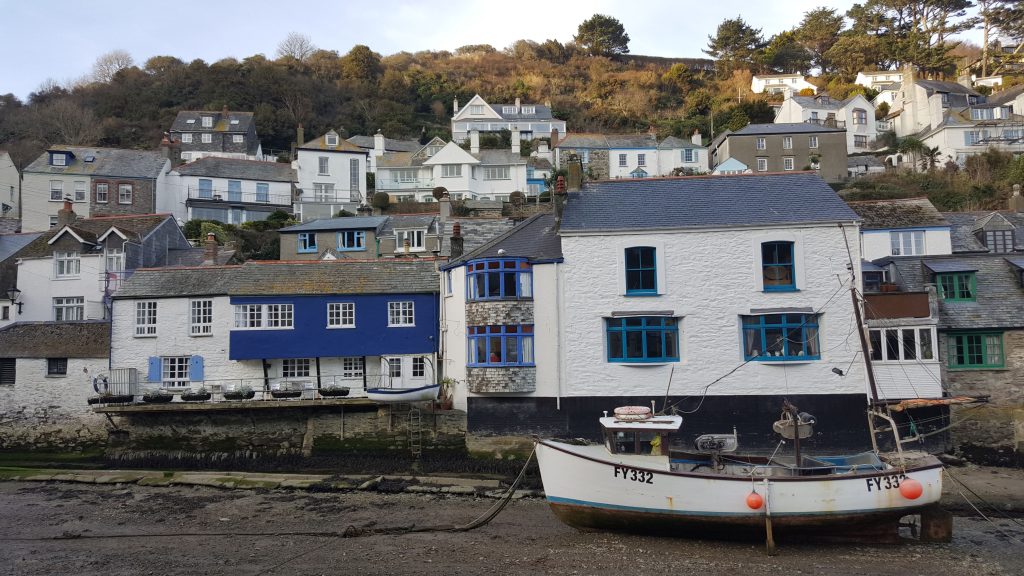
Although he was part of the smuggling business, his involvement was purely on the ‘legitimate’ side of being a merchant, management, accounting, and banking.
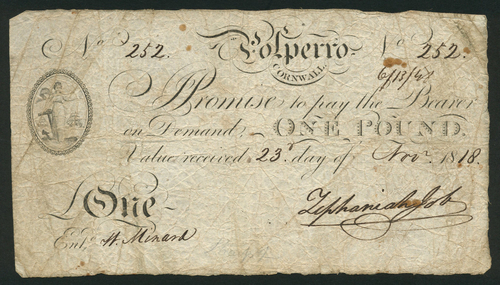
Zephaniah, built his empire through trade, his ability to see a gap in the market and seize the opportunities presented to him, he traded in anything and everything, Lime to Pilchards and dealt with the imports and exports out of Polperro Harbour. His wealth increased, and in 1806, he was granted a banking licence and founded the Polperro Bank, printing some of the first bank notes to be circulated in Cornwall.
Zephaniah lived for many years at Killigarth Manor Mill (now the Crumplehorn Inn)
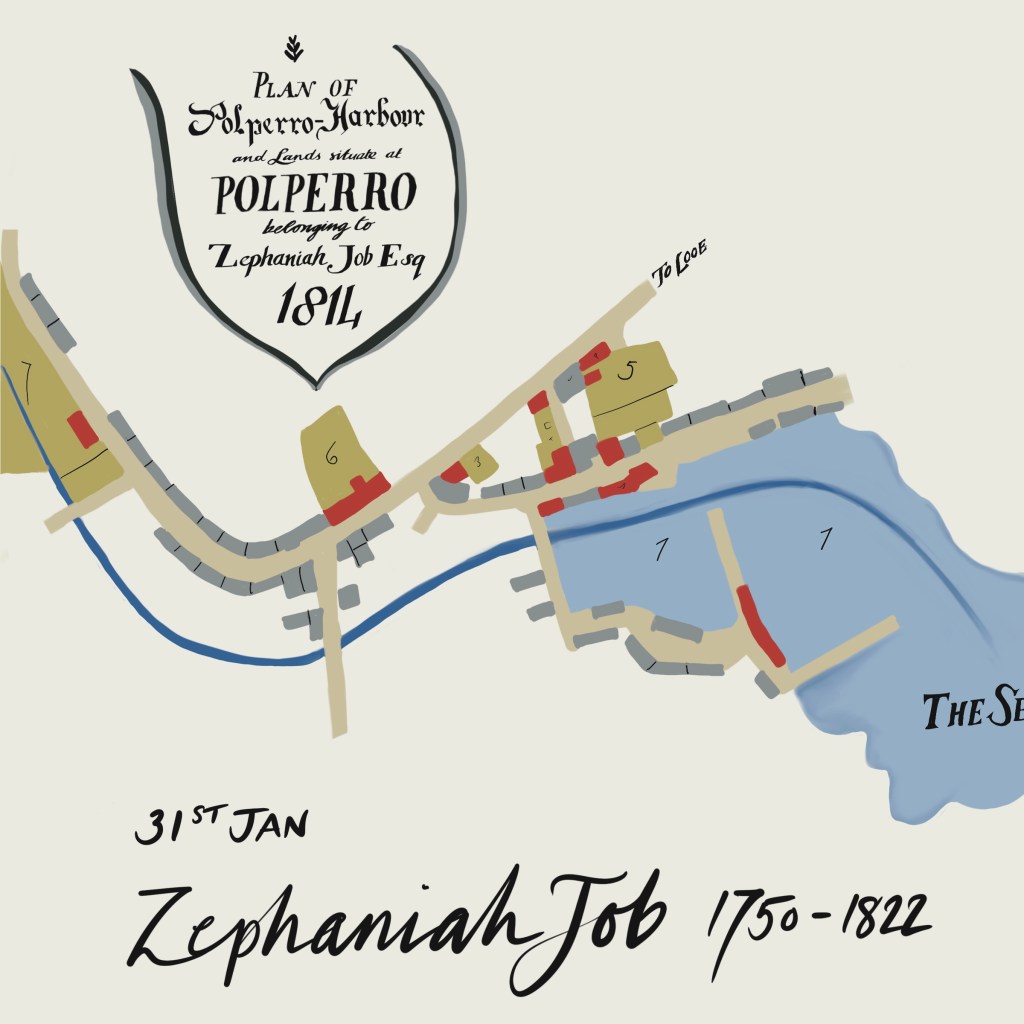
Polperro was part of the Rafael Manor, the seat of the Lords of Lansallos Manor. However, in 1811, the whole of the estate came up for sale. Job saw an opportunity to increase his portfolio, so bought Polperro Harbour and around 17 other buildings around the village. Unfortunately, a storm in 1817 severely damaged the harbour, and the repairs amounted to £6000. Job was now 70 and still running all the other business ventures alongside the harbour. The work to repair the harbour took its toll on his health, and just 3 years later, he died on 31st January 1822.
He never married, and remarkably, he didn’t make a will! When probate was concluded, he left his sister and his nephews £7,766.
References:
Kilden Mor article on their website
Cambridge University Press article
National Maritime Museum article
Death Notice via Parish Records website OPC


Leave a Reply